




Six Simple Ways to Make Mung Beans Part of Your Day
Mung beans are one of the most versatile foods on the planet. Whether you have five minutes or fifty, there's a way to work them into your routine — and once you start, you won't want to stop.
Start With the Simplest Thing
The biggest barrier to eating well isn't knowledge — it's time. That's exactly why Moong Pani Sipping Broth exists. One cup, hot water, two minutes. No soaking, no cooking, no cleanup. Just warm, nourishing mung bean goodness in your hand before you walk out the door.
But if you want to go deeper into the world of mung beans, here's everything you can do with them.
The Six Ways
1. Sip It — Moong Pani Broth
The easiest entry point. Our ready-to-mix sipping broth gives you all the nutrition of mung beans in a warm, flavourful cup. Perfect as a morning ritual, a mid-afternoon reset, or a light pre-meal drink 20 minutes before you eat. Try it in place of your afternoon chai or coffee — your body will feel the difference.
Best for: busy mornings, hunger management, travel, work
2. Sprout It — Add to Salads & Stir Fries
Whole mung beans sprout beautifully in just 2–3 days. Rinse them, soak overnight, then drain and let them sit in a jar covered with a cloth. By day two you'll have crisp, living sprouts loaded with enzymes and amplified nutrition. Toss into salads, stir fries, wraps, or eat raw as a snack.
Best for: raw eating, summer meals, adding crunch
3. Soup It — Make a Hearty Daal
Simmer split mung beans (moong dal) with onion, tomato, turmeric, cumin, and a squeeze of lemon. In 25 minutes you have a deeply satisfying soup that works as a full meal on its own or alongside rice or flatbread. This is called daal in Indian cuisine and it has fed generations of families across South Asia for good reason.
Best for: weeknight dinners, meal prep, cold weather
4. Cook It — Khichdi (Indian Risotto)
Khichdi is the ultimate comfort food — mung beans and rice cooked together in one pot with ghee, cumin, and warming spices. The result is creamy, grounding, and deeply nourishing. It's one of the first foods given to babies in Ayurvedic tradition and one of the last things you'd want to give up as an adult. Think of it as Indian risotto — simple ingredients, extraordinary results.
Best for: meal prep, family dinners, recovery meals, cold and flu season
5. Stuff It — Rotis, Naans & Breads
Cook mung dal dry with spices — cumin, coriander, a little chili — until crumbly, then stuff it inside rotis, parathas, or even burger buns. Finish with a generous spread of ghee. It's a street food classic across India and one of those meals that feels indulgent but is secretly very good for you.
Best for: weekend cooking, lunches, something different
6. Sweeten It — Desserts & Puddings
Mung beans have a subtle natural sweetness that makes them surprisingly brilliant in desserts. Blend cooked mung with coconut milk, cardamom, and jaggery for a creamy pudding. Use mung bean flour in gluten-free cakes and cookies. In Southeast Asia, mung bean desserts have been a staple for centuries — smooth, light, and genuinely delicious.
Best for: sweet cravings, gluten-free baking, trying something new
A Note on Buying Mung Beans
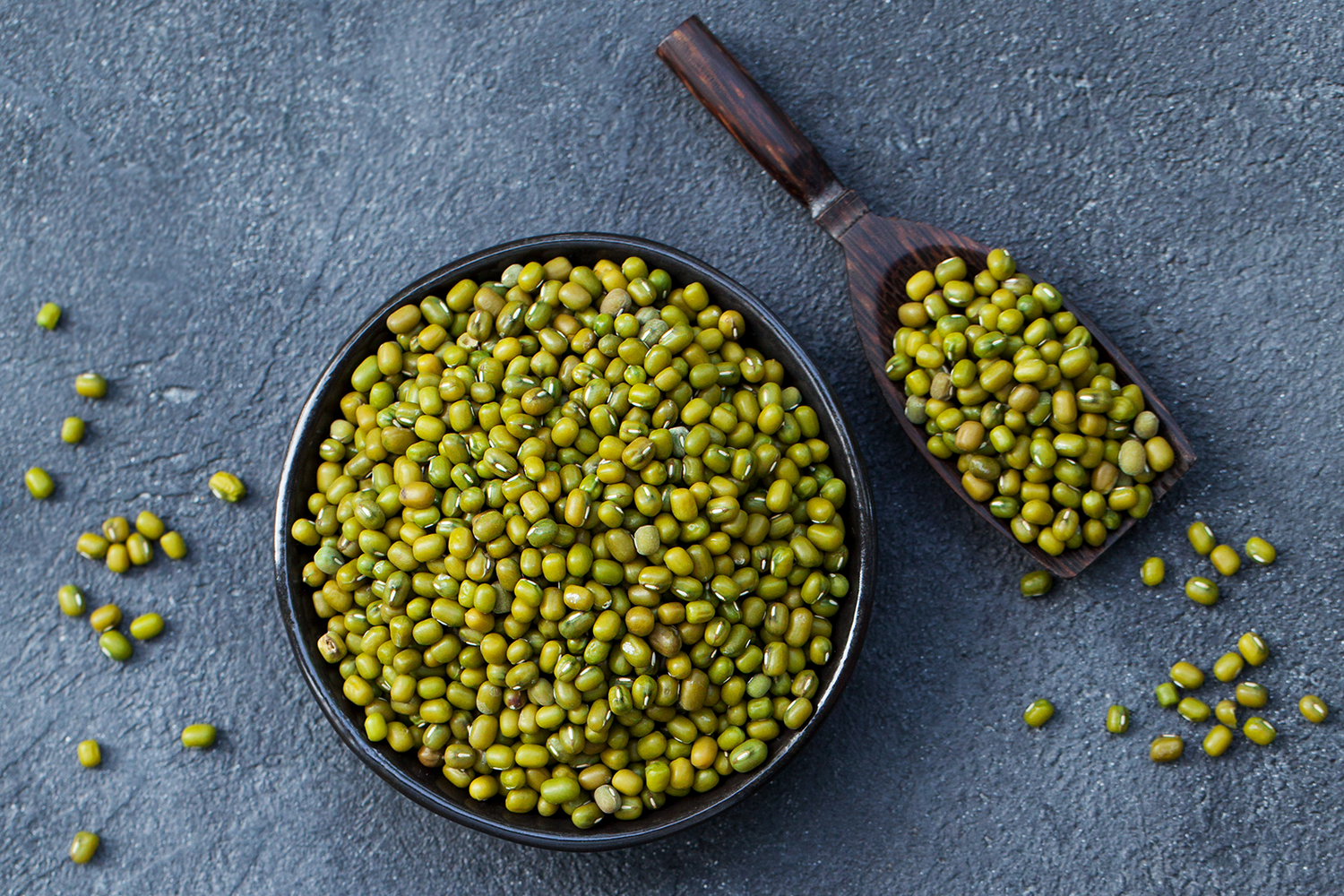
Mung beans come in four main forms and each one behaves differently in the kitchen. Whole green beans with skin are best for sprouting and soups. Split green beans with skin cook faster and have more texture. Split yellow beans without skin (yellow moong dal) are the softest and quickest to cook — ideal for khichdi and baby food. Mung bean flour is the newest addition, available now in most health food stores, and works beautifully in gluten-free baking.
However you choose to use them — in a bowl, a cup, or a bun — mung beans will quietly become one of the most relied-upon ingredients in your kitchen. Start with one way. Build from there.


